

Arjun Sharma
Jaipur, Rajasthan
"I learned to cut manja from my grandfather on a January rooftop. Now I teach my son. The line is unbroken."
Flies
Fighter patang, waxed cotton manja
Stories, craft, and community for people who look up.
There is a moment — every kite flyer knows it — when the line goes taut and the thing you built with your own hands lifts away from you. Not away from you like loss. Away from you like release. The kite climbs because the physics are honest: angle, surface, wind. And yet it feels like something older than physics. Like a signal sent. Like a question asked of the sky.
SkyString was built for the people who feel that tug. The weekend builder in a Jaipur lane, measuring bamboo against their forearm. The fighter-kite veteran in Ahmedabad who has waxed their manja line so many times the rhythm is prayer. The parent in a Lincolnshire field watching their daughter run — and the kite, finally, catching. These are not hobbyists. They are practitioners of an ancient attention.
Every culture that has ever had string and wind has had kites. The Chinese flew them two thousand years before the Wright Brothers looked up. The Māori read the sky through their manu aute. In Bali, kites are not toys — they carry prayers. We are here to trace that lineage and hand it forward.
"A kite is not an escape from the world. It is the world, seen from the end of a taut line — smaller, clearer, and somehow more worth returning to."
Join the String
One letter, twice a month. Stories from the field, builds from the workshop, and a free beginner's guide when you sign up.
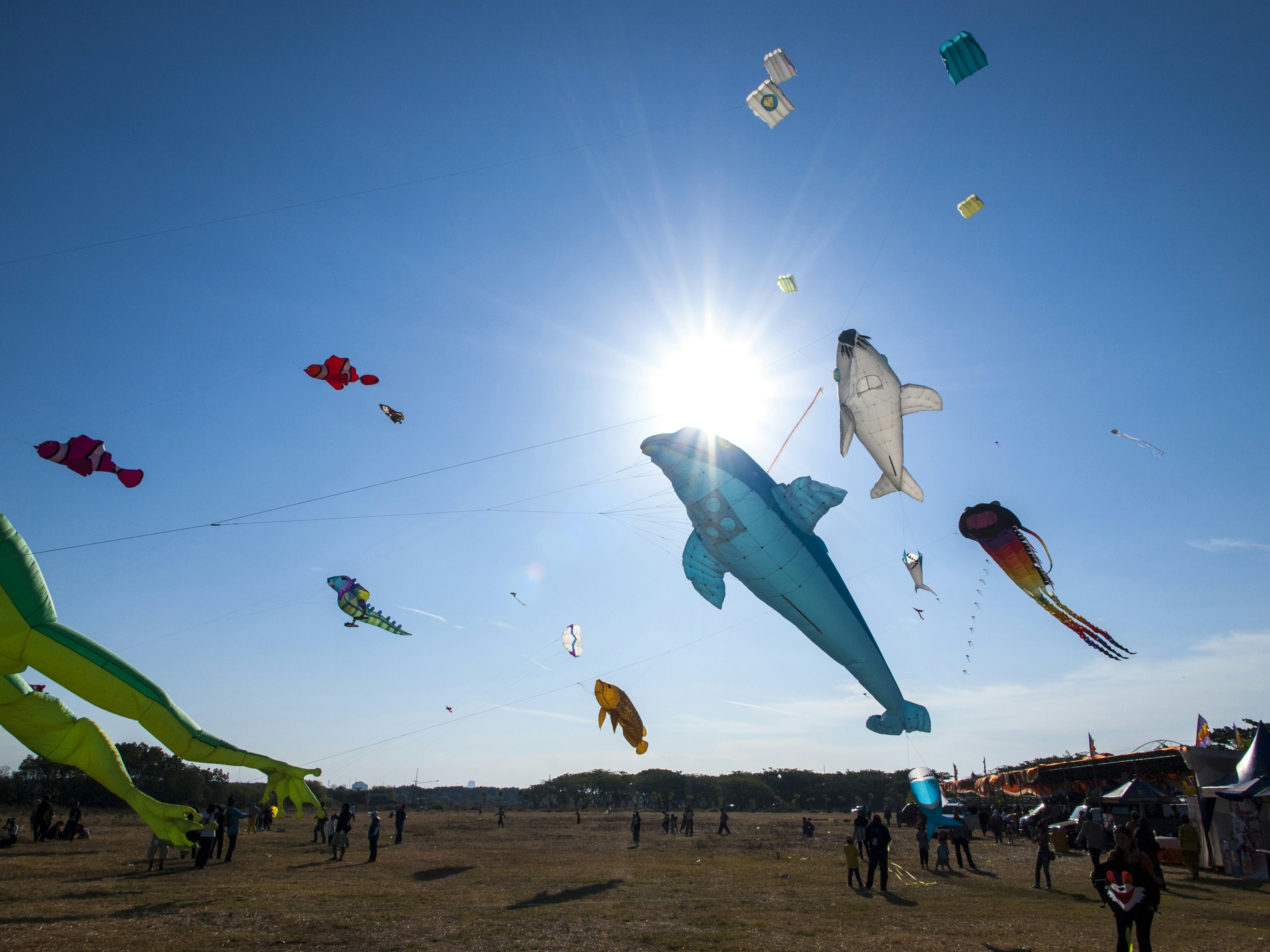
From rooftop festivals in Rajasthan to beach launches in Bali — every culture that has had string and wind has had kites.

Makar Sankranti · Gujarat & Rajasthan
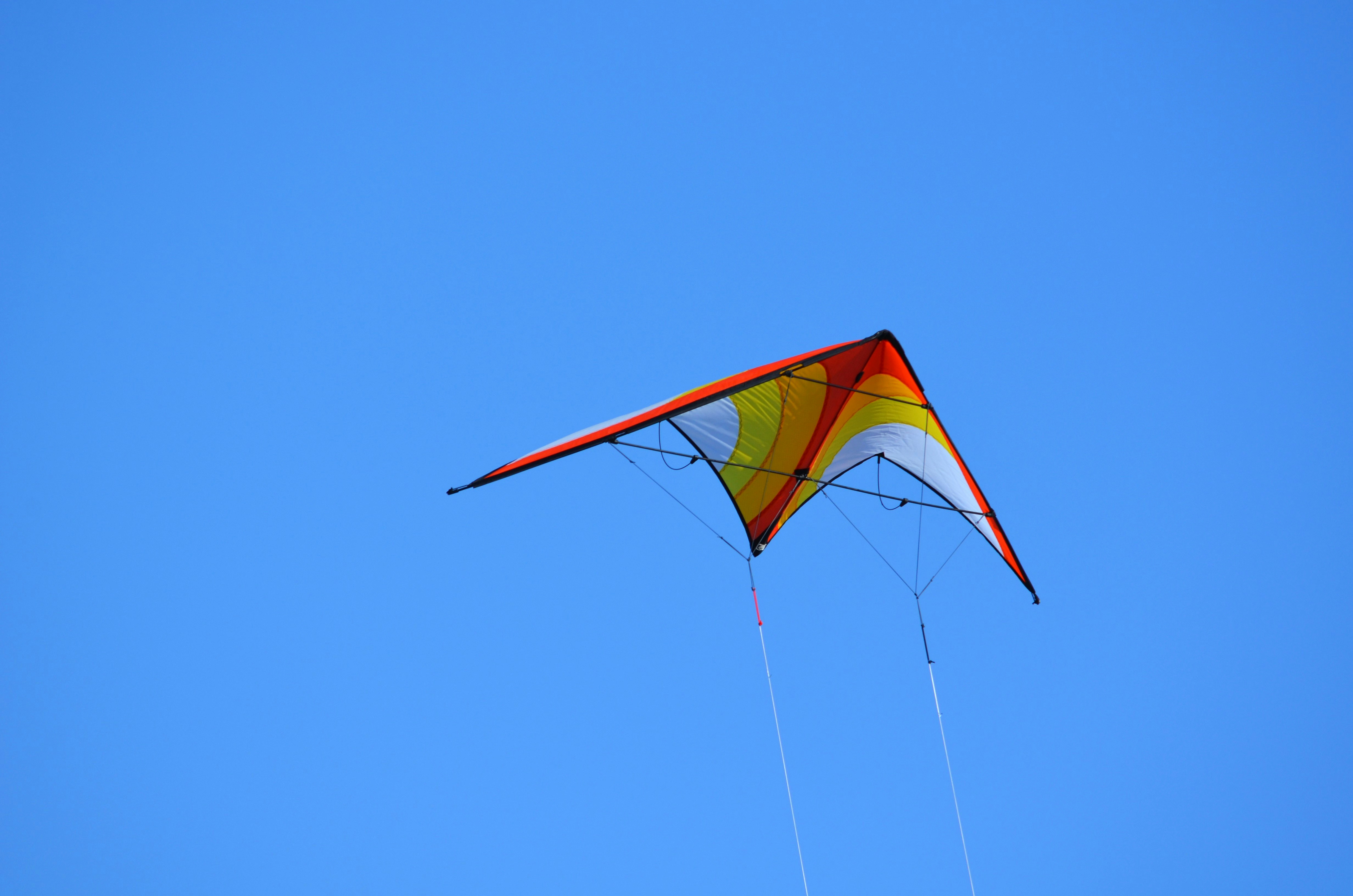
On the 14th of January every year, the rooftops of Ahmedabad, Jaipur, and Baroda become the most contested airspace on earth. By 6am, the sky is already crowded. Fighter kites — patangs — are launched in their thousands, their manja lines crossing and cutting. The game is to sever your opponent's string before they sever yours. A cut kite spirals down through the city, and children race through the lanes below shouting "Kai Po Che!" — I have cut it.
"Uttarayan is not a festival of kites. It is a festival of attention. For one day, every person in the city is looking up."
The Rokkaku is a Japanese fighter kite — six-sided, bridled on three points, and flown in battles where competitors try to spin or down each other's kites. It is also one of the most elegant kite designs ever conceived: stable enough for beginners, deep enough for a lifetime of tuning.
The build requires no specialist tools beyond a craft knife, a metre rule, and the willingness to make the same mistake twice before you understand why bamboo has a grain. Below is the anatomy — the parts, their purpose, and what happens when each one is wrong.
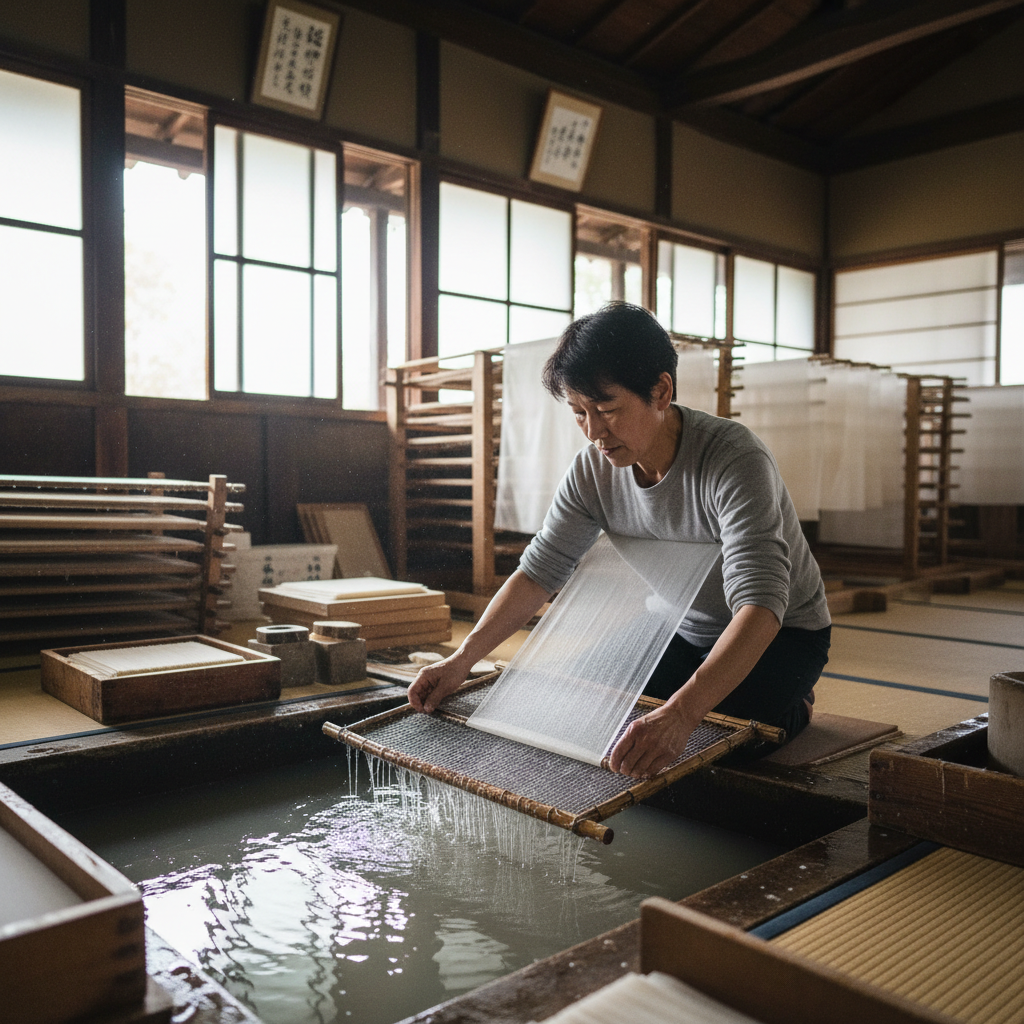
The vertical bamboo spar. Cut to 120cm, cured for 3 weeks minimum. Green bamboo warps — patience is the first tool.
Two horizontal spars, bowed under tension. The bow is what gives a Rokkaku its curved face — and its stability in gusty wind.
Ripstop nylon or traditional washi paper. The paper tears more beautifully. Choose your philosophy.
Three-leg bridle, adjustable. The angle of attack is everything. Move the tow point up: more pull, less stability. Down: calmer flight, less lift.
Free Download
The First Kite: A Beginner's Build Guide
24 pages · bamboo diamond build · pattern included
SkyString is built by the people who fly. These are three of them. There are 2,400 more — in 34 countries, on every kind of string.
Arjun Sharma
Jaipur, Rajasthan
"I learned to cut manja from my grandfather on a January rooftop. Now I teach my son. The line is unbroken."
Flies
Fighter patang, waxed cotton manja
Fiona Blackwell
Lincolnshire, England
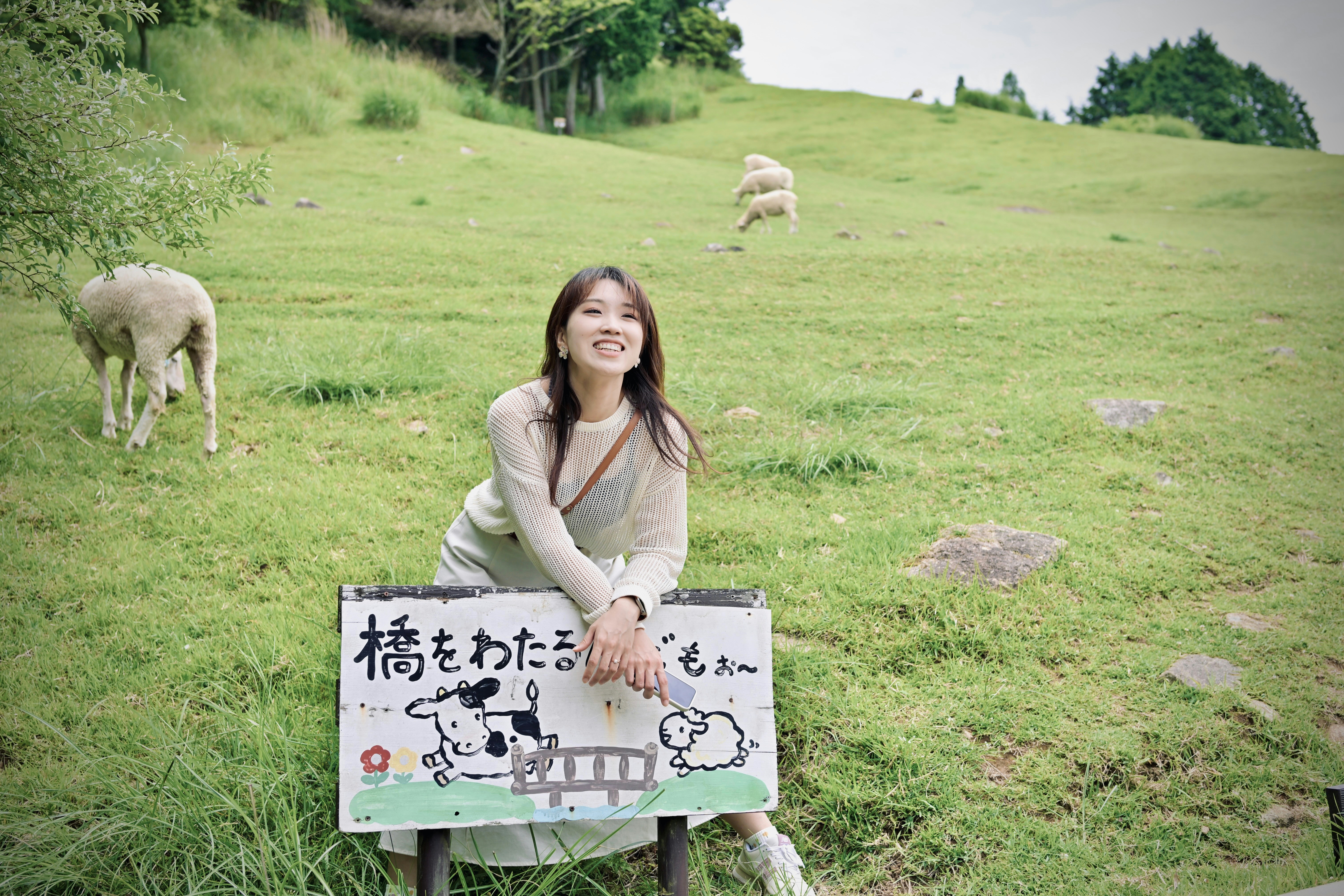
"My children thought I was mad building a kite from a bamboo cane and a bin bag. Then it flew. Nobody thought I was mad after that."
Flies
Diamond sled, tissue paper sail

Made Suardana
Sanur, Bali
"In Bali we say the kite carries your intention to the gods. I don't know about gods. But I know the offshore wind comes at 3pm and it never lies."
Flies
Bebean (fish kite), traditional cotton
2,400+
Members
34
Countries
12
Festivals covered
180+
Build guides shared